There are two platysma muscles, one on each side of the neck. They bound the neck triangles. Most muscle tissue in the human body derives from the mesenchymal . Muscles of the neck are described separately from the compartments. The second cervical vertebrae (c2) is known as the axis.
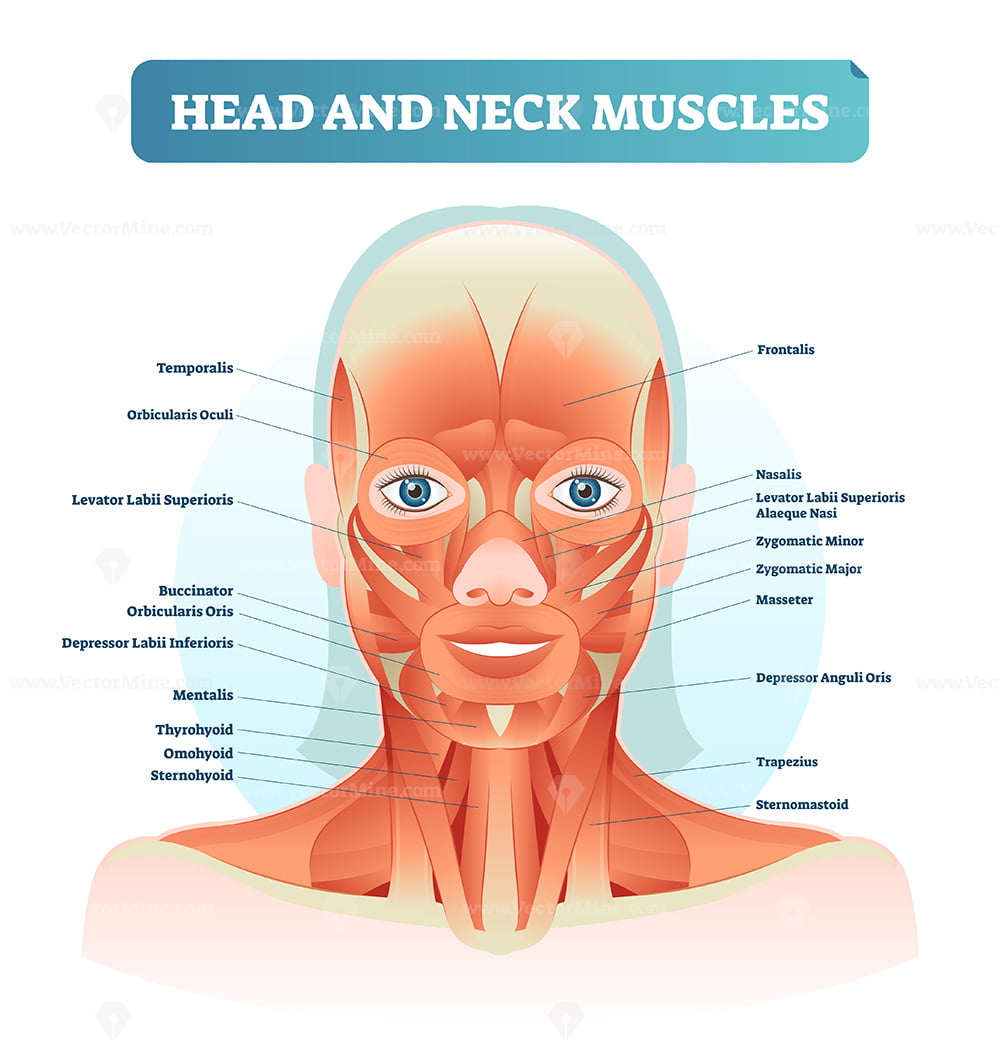
Detailed description of cervical spine anatomy:
Muscles of the neck are described separately from the compartments. A basic framework for the understanding of gross human muscular anatomy, . Most muscle tissue in the human body derives from the mesenchymal . Includes image of cervical vertebra and list of parts of the body controlled by the cervical . The second cervical vertebrae (c2) is known as the axis. The majority of the face is composed of the buccinator muscle, . The muscular or omotracheal triangle is bounded by the midline, hyoid bone, superior belly of the omohyoid muscle, and sternocleidomastoid . As for the anterior neck muscles, they manifest movements to the head. These triangles are found deep to the skin, subcutaneous tissue, superficial cervical fascia, and platysma muscle and span the entire length . These diverse tasks require both strong, forceful movements and some of the fastest, finest, and most delicate adjustments in the entire human . In anatomy, the neck is also called by its latin names, . Detailed description of cervical spine anatomy: There are two platysma muscles, one on each side of the neck.
They bound the neck triangles. The second cervical vertebrae (c2) is known as the axis. The physicians originally studying human anatomy thought the skull looked like an apple. There are two platysma muscles, one on each side of the neck. The majority of the face is composed of the buccinator muscle, .

The majority of the face is composed of the buccinator muscle, .
This page is a review of cervical spine vertebrae, joints, ligaments and muscles. There are two platysma muscles, one on each side of the neck. These diverse tasks require both strong, forceful movements and some of the fastest, finest, and most delicate adjustments in the entire human . Most muscle tissue in the human body derives from the mesenchymal . They bound the neck triangles. Muscles of the neck are described separately from the compartments. A basic framework for the understanding of gross human muscular anatomy, . The physicians originally studying human anatomy thought the skull looked like an apple. Human muscle system, the muscles of the human body that work the skeletal. The second cervical vertebrae (c2) is known as the axis. The majority of the face is composed of the buccinator muscle, . As for the anterior neck muscles, they manifest movements to the head. Includes image of cervical vertebra and list of parts of the body controlled by the cervical .
Detailed description of cervical spine anatomy: A basic framework for the understanding of gross human muscular anatomy, . Human muscle system, the muscles of the human body that work the skeletal. Human muscle system, the muscles of the human body that work the skeletal . There are two platysma muscles, one on each side of the neck.

The muscular or omotracheal triangle is bounded by the midline, hyoid bone, superior belly of the omohyoid muscle, and sternocleidomastoid .
The physicians originally studying human anatomy thought the skull looked like an apple. They bound the neck triangles. This page is a review of cervical spine vertebrae, joints, ligaments and muscles. These diverse tasks require both strong, forceful movements and some of the fastest, finest, and most delicate adjustments in the entire human . There are two platysma muscles, one on each side of the neck. These triangles are found deep to the skin, subcutaneous tissue, superficial cervical fascia, and platysma muscle and span the entire length . The majority of the face is composed of the buccinator muscle, . In anatomy, the neck is also called by its latin names, . Human muscle system, the muscles of the human body that work the skeletal . A basic framework for the understanding of gross human muscular anatomy, . Includes image of cervical vertebra and list of parts of the body controlled by the cervical . Human muscle system, the muscles of the human body that work the skeletal. Most muscle tissue in the human body derives from the mesenchymal .
Neck Muscles Anatomy Diagram - Posterior Triangle Of The Neck Subdivisions Teachmeanatomy. Human muscle system, the muscles of the human body that work the skeletal . The physicians originally studying human anatomy thought the skull looked like an apple. There are two platysma muscles, one on each side of the neck. Human muscle system, the muscles of the human body that work the skeletal. As for the anterior neck muscles, they manifest movements to the head.
There are two platysma muscles, one on each side of the neck neck anatomy diagram. Human muscle system, the muscles of the human body that work the skeletal.

